UNDERLYING DRIFT

Curatorial Team:
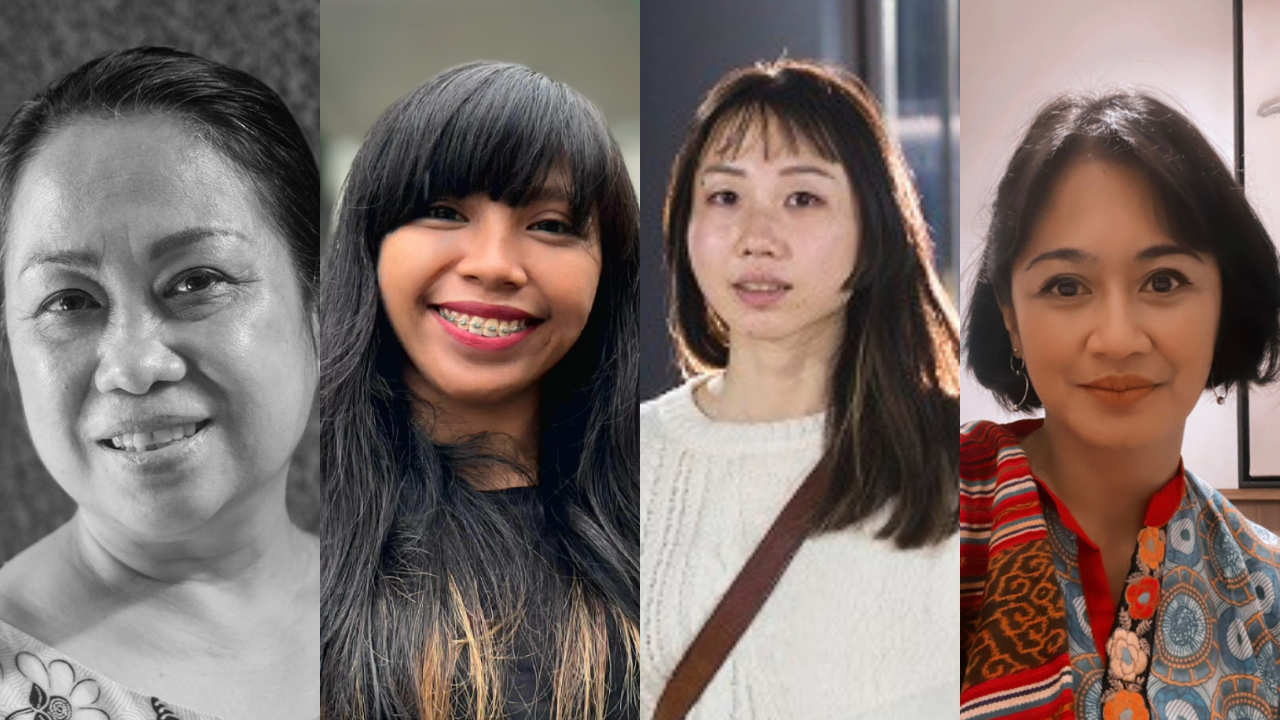
Linda Mayasari (In-house Curator) | River Lin (Co-Curator)

We are living through an unsettling time. Economic pressures are increasingly felt in everyday life. Environmental crises are reshaping landscapes as well as the ways we live. Conflict and forced displacement are uprooting people from the places they call home. Social and political tensions are testing how we live together. Across different places and circumstances, uncertainty has become part of how we inhabit the present.

In times like these, culture is often treated as something that can be deferred until needs considered more fundamental have been met. Yet how we live together is also shaped by how we understand values, difference, memory, the presence of others, and the futures we are still able to imagine. Cultural practice does not stand apart from the conditions that shape our lives.

What appears settled is not necessarily still. Beneath what seems unchanged, movement continues.

We enter a world that has already been arranged. Names have been given, boundaries drawn, histories told, paths travelled, and knowledge passed down. All of these shape how we understand ourselves and one another, yet the orders we inherit are never entirely settled.

No inheritance reaches us intact. Memory shifts as it passes from body to body, from one generation to the next. Traditions change with those who keep them alive. History leaves behind both traces and fissures. What was once lost may return, but what returns is never quite the same.

Between what settles and what continues to move, dance unfolds layers of memory, knowledge, and experience carried by the body and transformed with it. Through the body, the present draws closer to ancestral knowledge; the personal encounters the communal; human life becomes entangled with other forms of life; memory intertwines with landscape; and technology comes into contact with embodied experience.

In the works presented at IDF 2026, these encounters follow their own trajectories. Even the familiar can be experienced differently. What once seemed distant may draw near; what has long been moving unnoticed may begin to be felt; relationships that seemed settled may once again be called into question.

What is at stake is how we move together amid uncertainty. Moving together does not mean making our ways of moving, or the paths we take, uniform.

Like choreography, being together need not mean moving in unison across space and time. Instead, difference opens up a spectrum of possible movements: moving alongside or crossing one another, drawing closer or moving apart, meeting for a moment before continuing along our respective paths. The choreography of living together calls for attentiveness to how we share space, to who comes into view and who remains out of view, to what is given room and what escapes attention, and to how difference can remain present as we continue to seek ways of connecting without erasing one another. 

Choreography works with what never fully stays in place. In dance, movement is composed with the pliancy to inhabit uncertainty. Distance, direction, attention, rhythm, and relationships can be altered. A body can occupy a position while departing from it; it can follow an inherited trajectory while bending it in another direction. Movement may begin slowly, almost imperceptibly, before turning in ways that cannot always be anticipated. Even a slight deviation can alter the possibilities that follow. 

Form is not the end of movement, but a temporary state that can be opened again.

Change does not always arrive as rupture. Sometimes it begins with a gesture slowly veering off course, a rhythm that deviates, an old story retold through a body in the present, a path retraced from another direction, or a choice to give more time to something that has yet to find its form. Some processes need time to move without having to arrive immediately.

In a world that increasingly measures life through speed, outcomes, productivity, and utility, making room for what remains unfinished becomes a meaningful choice. Artistic practice reminds us that growth does not always require acceleration. Some forms of knowledge require repetition. Some relationships grow through sustained attention. Some processes only begin to find their way when they are given time to hesitate, change, fail, return, and try again.

What remains unfinished also has value within the space, time, and circumstances that shape its presence. Rehearsals, experiments, conversations, or works still in motion make room for other possibilities to be explored.

It is within this terrain that IDF 2026 locates the force of dance: keeping possibility alive, refusing to accept the existing order of the world as the only one possible.

Change may already have been underway before it becomes visible, finding different paths through what appears fixed.

The underlying drift is already in motion—and we are part of that movement, helping to shape the direction of its journey.

BENTANG

BENTANG presents choreographic works that grow out of diverse contexts and conditions of creation. Each brings its own way of articulating experience, knowledge, and questions through choreography. Within them, bodies can carry memory, traditions can continue to be lived in different ways, lived experience can become a way of reading the broader structures and relations within which it takes shape, and knowledge can take forms that cannot always be separated from the places and lives from which it emerges. Dance and choreography, therefore, do not emerge from a single history or system of knowledge, nor do they necessarily move in the same direction. Different ways of knowing, inheriting, creating, and experiencing the body open up their own choreographic trajectories.
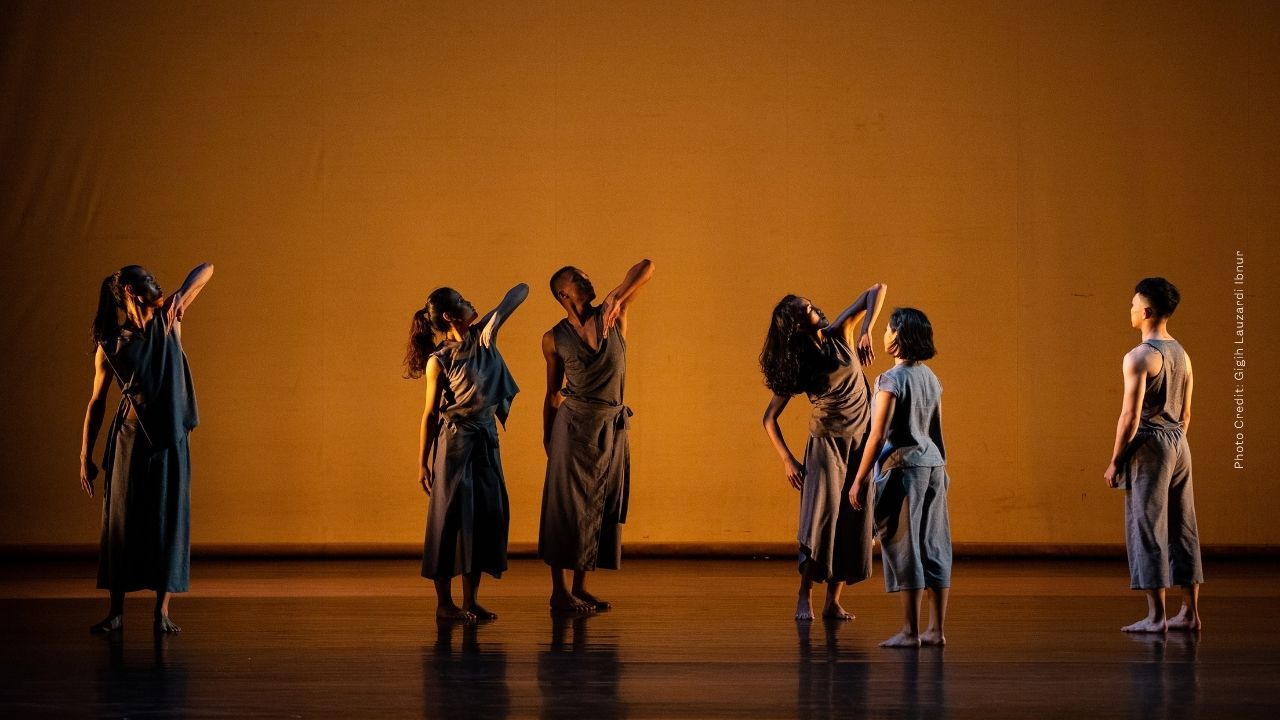
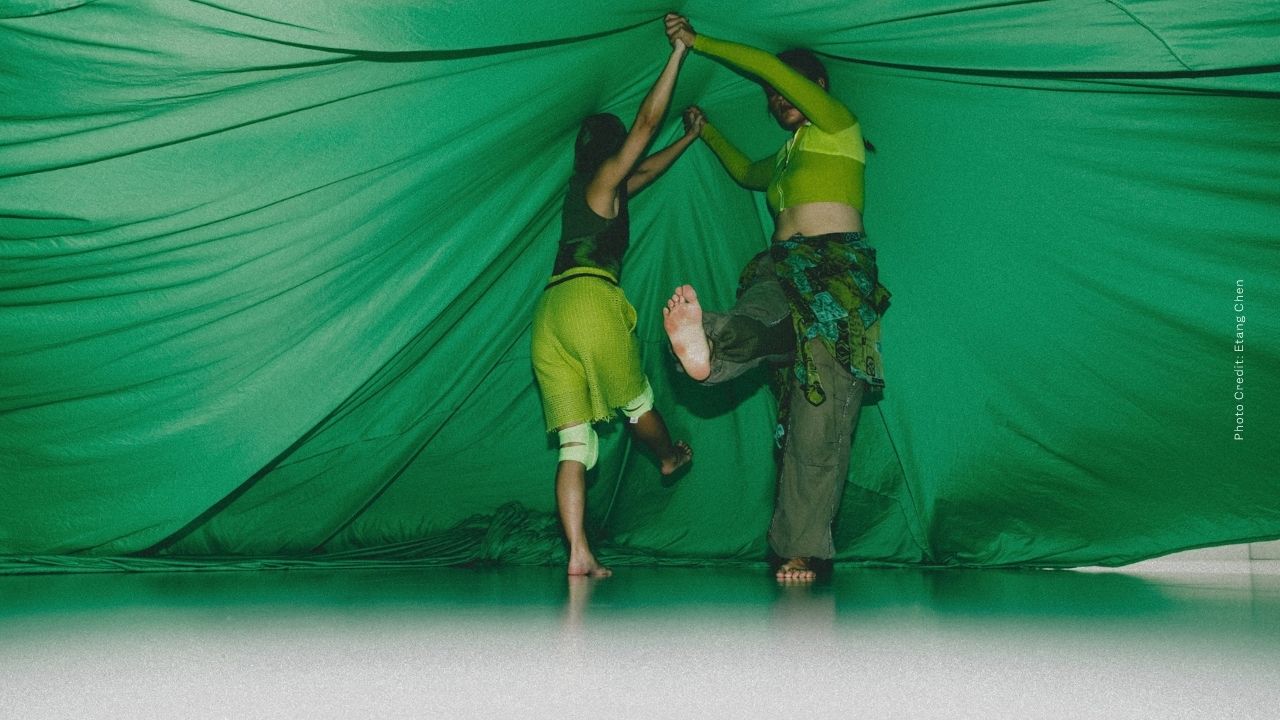
Placed alongside one another, these works are not intended to form a single, complete picture. Proximity does not erase distance; sameness is not a condition for them to speak to one another, just as legibility need not depend on a shared language. One work may resonate with another, intersect with it, or generate tensions that remain open. Within the relations that may emerge between them, each work retains its own ground and its own questions.

BENTANG begins from this expansiveness: choreography today grows through multiple routes and trajectories, carrying histories and forms of knowledge that do not always meet, and taking shape through different circumstances. Bringing them together within a single expanse is not an attempt to encompass this plurality or to locate it within a map that has already been drawn, but to make the expansiveness of the field perceptible. A field that does not end with what is already present, but continues to expand through what can be brought into relation, questioned, and imagined from there.

KAMPANA

KAMPANA is an artistic development space initiated by Indonesian Dance Festival that provides time for body of works to grow through research, experimentation, conversation, and encounters.

In 2026, KAMPANA adopts a new approach by bringing together artistic development processes from various platforms across Indonesia and the Asia-Pacific region: JICON with the Jakarta Arts Council’s Dance Committee; Producers Incubation Lab 2026 with Yayasan Kelola; Latitude—a joint initiative by Indonesian Dance Festival, Performance Space Sydney, and Dance Nucleus Singapore; New Creation Fellowship with Cambodian Living Arts; and Shifting Points, a collaborative platform between Kyoto Experiment and the Bangkok International Performing Arts Meeting (BIPAM).

The artists come to KAMPANA with diverse trajectories. Each has undergone a development process shaped by the specific contexts, methods, and rhythms of their respective partner platforms; consequently, they arrive with works at varying stages of development. KAMPANA does not seek to homogenize these journeys or replace the ongoing processes. Instead, it introduces an additional layer of encounter: an opportunity for artists to re-examine the positioning of their work, open up lines of inquiry, and test possibilities that allow their works to remain fluid.

The KAMPANA 2026 process unfolds through a series of stages: Situating, Provoking, Toward the Festival, and In Situ. This sequence creates space to reflect on the trajectory and positioning of each work, fosters dialogue and questioning from diverse perspectives, and allows for a re-evaluation of what might still be explored or developed before the evolving work is presented to the IDF 2026 audience.

WORKSHOP

During the festival, several participating artists are invited to share insights into their practices. This program is designed to facilitate the exchange and dissemination of practices, while also serving as a platform for dance practitioners and the public to experience dance works in depth.

DANCE TALK

Discussions aimed to examine and contextualize current issues regarding the evolution of dance and choreographic practices, the experience of spectatorship, and dance discourse within the dynamics of the dance scene and broader socio-cultural contexts—both in Indonesia and globally.

Dance Talks 2026 hopes to further unpack the Underlying Drift curatorial framework by engaging speakers across various art forms, disciplines, and nations. These discussions are open to the public and accessible throughout the festival period.

LINK IN MOTION

Simpul Gerak (Link in Motion) is IDF’s international networking programme, bringing together producers, curators, and performing arts practitioners from Indonesia with international colleagues who have experience, networks, and connections across different performing arts ecosystems. Through their participation in the festival programme and specially curated meetings, Simpul Gerak creates opportunities to learn about each other’s practices and working contexts, build strategic connections, and identify potential collaborations that can be developed further.

LIFETIME ACHIEVEMENT AWARD

  • IDF 2026

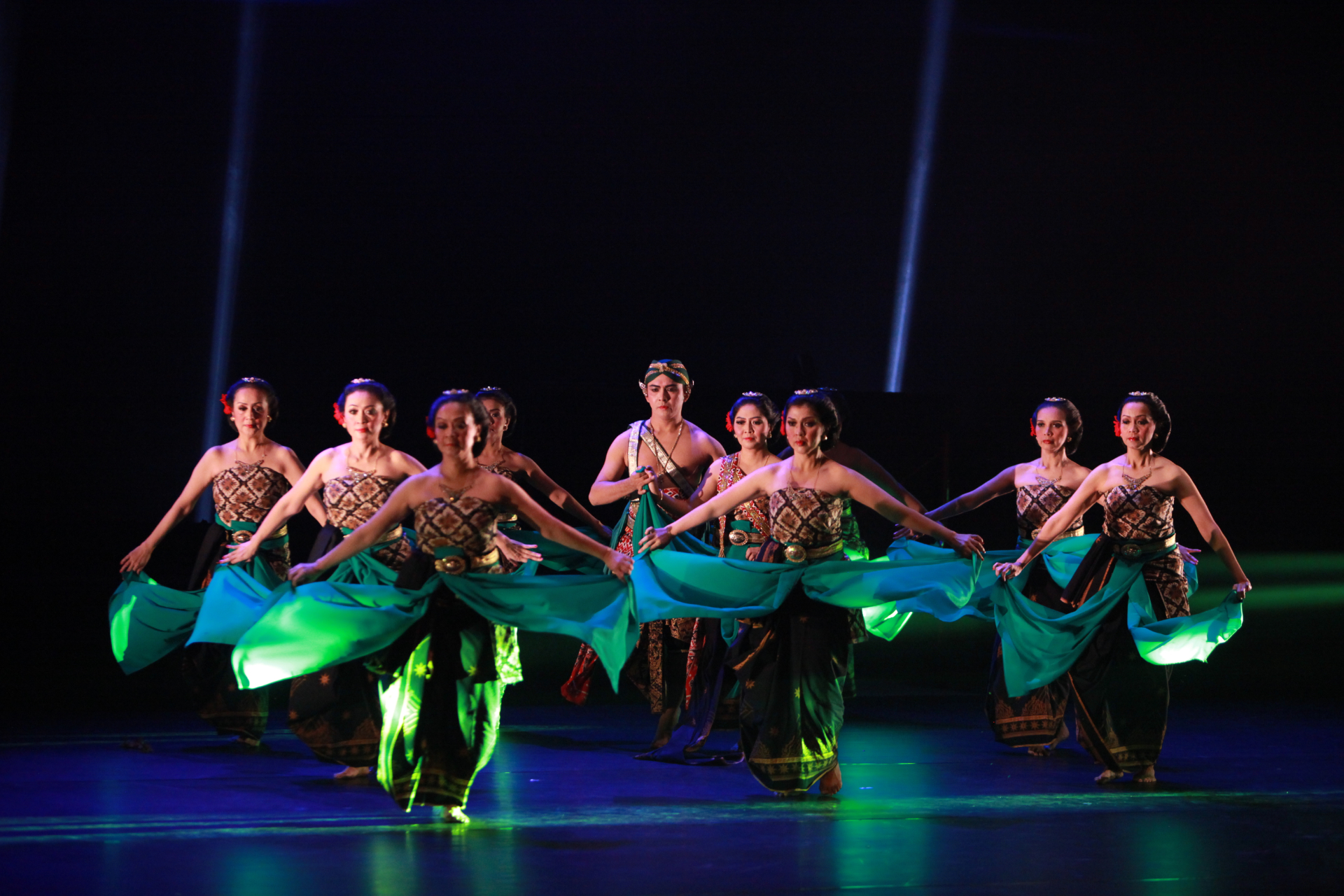
    Retno Maruti: Championing Freedom of Thought in Classical Dance

    Throughout her five-decade career, Retno Maruti has channeled her ideas as a woman who embraces freedom of thought. She also fosters a spirit of collectiveness in her dance studio, Padnecwara.

UNDERLYING DRIFT

Curator Team:
Linda Mayasari (In-house Curator)
River Lin (Co-Curator)

We are living through an unsettling time. Economic pressures are increasingly felt in everyday life. Environmental crises are reshaping landscapes as well as the ways we live. Conflict and forced displacement are uprooting people from the places they call home. Social and political tensions are testing how we live together. Across different places and circumstances, uncertainty has become part of how we inhabit the present.

In times like these, culture is often treated as something that can be deferred until needs considered more fundamental have been met. Yet how we live together is also shaped by how we understand values, difference, memory, the presence of others, and the futures we are still able to imagine. Cultural practice does not stand apart from the conditions that shape our lives.

What appears settled is not necessarily still. Beneath what seems unchanged, movement continues.

We enter a world that has already been arranged. Names have been given, boundaries drawn, histories told, paths travelled, and knowledge passed down. All of these shape how we understand ourselves and one another, yet the orders we inherit are never entirely settled.

No inheritance reaches us intact. Memory shifts as it passes from body to body, from one generation to the next. Traditions change with those who keep them alive. History leaves behind both traces and fissures. What was once lost may return, but what returns is never quite the same.

Between what settles and what continues to move, dance unfolds layers of memory, knowledge, and experience carried by the body and transformed with it. Through the body, the present draws closer to ancestral knowledge; the personal encounters the communal; human life becomes entangled with other forms of life; memory intertwines with landscape; and technology comes into contact with embodied experience.

In the works presented at IDF 2026, these encounters follow their own trajectories. Even the familiar can be experienced differently. What once seemed distant may draw near; what has long been moving unnoticed may begin to be felt; relationships that seemed settled may once again be called into question.

What is at stake is how we move together amid uncertainty. Moving together does not mean making our ways of moving, or the paths we take, uniform.

Like choreography, being together need not mean moving in unison across space and time. Instead, difference opens up a spectrum of possible movements: moving alongside or crossing one another, drawing closer or moving apart, meeting for a moment before continuing along our respective paths. The choreography of living together calls for attentiveness to how we share space, to who comes into view and who remains out of view, to what is given room and what escapes attention, and to how difference can remain present as we continue to seek ways of connecting without erasing one another. 

Choreography works with what never fully stays in place. In dance, movement is composed with the pliancy to inhabit uncertainty. Distance, direction, attention, rhythm, and relationships can be altered. A body can occupy a position while departing from it; it can follow an inherited trajectory while bending it in another direction. Movement may begin slowly, almost imperceptibly, before turning in ways that cannot always be anticipated. Even a slight deviation can alter the possibilities that follow. 

Form is not the end of movement, but a temporary state that can be opened again.

Change does not always arrive as rupture. Sometimes it begins with a gesture slowly veering off course, a rhythm that deviates, an old story retold through a body in the present, a path retraced from another direction, or a choice to give more time to something that has yet to find its form. Some processes need time to move without having to arrive immediately.

In a world that increasingly measures life through speed, outcomes, productivity, and utility, making room for what remains unfinished becomes a meaningful choice. Artistic practice reminds us that growth does not always require acceleration. Some forms of knowledge require repetition. Some relationships grow through sustained attention. Some processes only begin to find their way when they are given time to hesitate, change, fail, return, and try again.

What remains unfinished also has value within the space, time, and circumstances that shape its presence. Rehearsals, experiments, conversations, or works still in motion make room for other possibilities to be explored.

It is within this terrain that IDF 2026 locates the force of dance: keeping possibility alive, refusing to accept the existing order of the world as the only one possible.

Change may already have been underway before it becomes visible, finding different paths through what appears fixed.

The underlying drift is already in motion—and we are part of that movement, helping to shape the direction of its journey.

BENTANG

BENTANG presents choreographic works that grow out of diverse contexts and conditions of creation. Each brings its own way of articulating experience, knowledge, and questions through choreography. Within them, bodies can carry memory, traditions can continue to be lived in different ways, lived experience can become a way of reading the broader structures and relations within which it takes shape, and knowledge can take forms that cannot always be separated from the places and lives from which it emerges. Dance and choreography, therefore, do not emerge from a single history or system of knowledge, nor do they necessarily move in the same direction. Different ways of knowing, inheriting, creating, and experiencing the body open up their own choreographic trajectories.
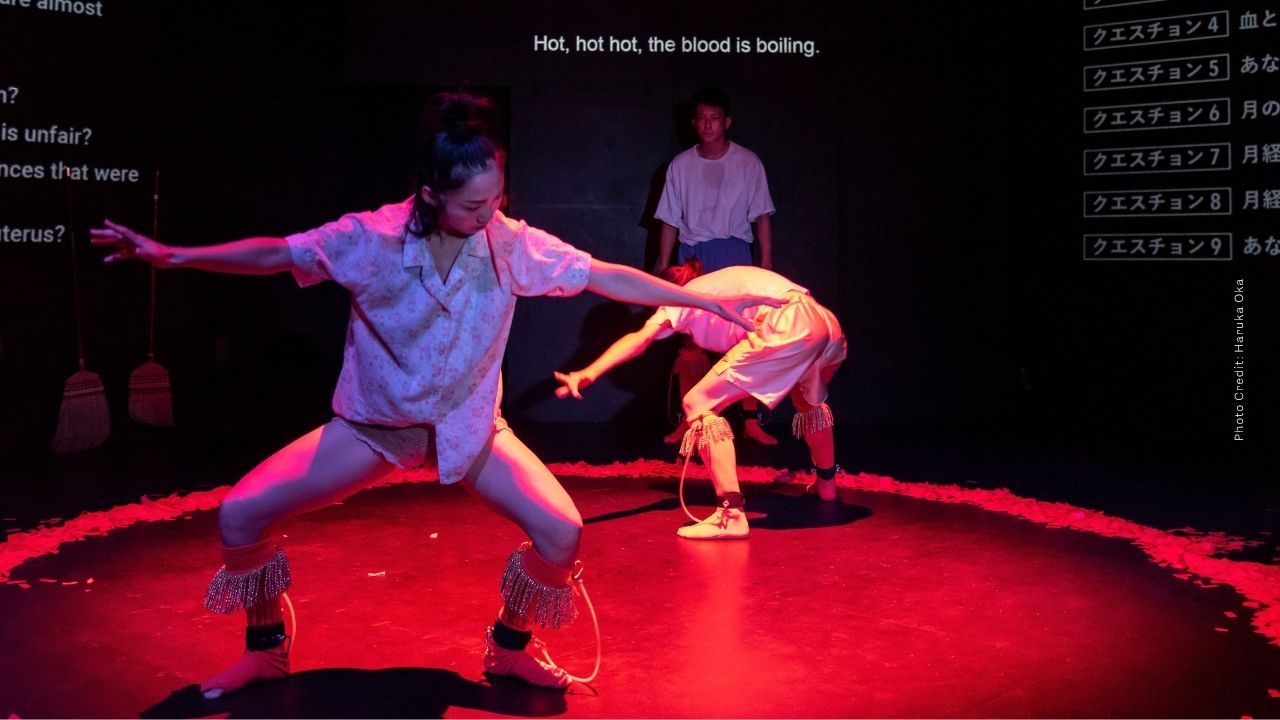
Placed alongside one another, these works are not intended to form a single, complete picture. Proximity does not erase distance; sameness is not a condition for them to speak to one another, just as legibility need not depend on a shared language. One work may resonate with another, intersect with it, or generate tensions that remain open. Within the relations that may emerge between them, each work retains its own ground and its own questions.

BENTANG begins from this expansiveness: choreography today grows through multiple routes and trajectories, carrying histories and forms of knowledge that do not always meet, and taking shape through different circumstances. Bringing them together within a single expanse is not an attempt to encompass this plurality or to locate it within a map that has already been drawn, but to make the expansiveness of the field perceptible. A field that does not end with what is already present, but continues to expand through what can be brought into relation, questioned, and imagined from there.

KAMPANA

KAMPANA is an artistic development space initiated by Indonesian Dance Festival that provides time for body of works to grow through research, experimentation, conversation, and encounters.

In 2026, KAMPANA adopts a new approach by bringing together artistic development processes from various platforms across Indonesia and the Asia-Pacific region: JICON with the Jakarta Arts Council’s Dance Committee; Producers Incubation Lab 2026 with Yayasan Kelola; Latitude—a joint initiative by Indonesian Dance Festival, Performance Space Sydney, and Dance Nucleus Singapore; New Creation Fellowship with Cambodian Living Arts; and Shifting Points, a collaborative platform between Kyoto Experiment and the Bangkok International Performing Arts Meeting (BIPAM).

The artists come to KAMPANA with diverse trajectories. Each has undergone a development process shaped by the specific contexts, methods, and rhythms of their respective partner platforms; consequently, they arrive with works at varying stages of development. KAMPANA does not seek to homogenize these journeys or replace the ongoing processes. Instead, it introduces an additional layer of encounter: an opportunity for artists to re-examine the positioning of their work, open up lines of inquiry, and test possibilities that allow their works to remain fluid.

The KAMPANA 2026 process unfolds through a series of stages: Situating, Provoking, Toward the Festival, and In Situ. This sequence creates space to reflect on the trajectory and positioning of each work, fosters dialogue and questioning from diverse perspectives, and allows for a re-evaluation of what might still be explored or developed before the evolving work is presented to the IDF 2026 audience.

WORKSHOP

During the festival, several participating artists are invited to share insights into their practices. This program is designed to facilitate the exchange and dissemination of practices, while also serving as a platform for dance practitioners and the public to experience dance works in depth.
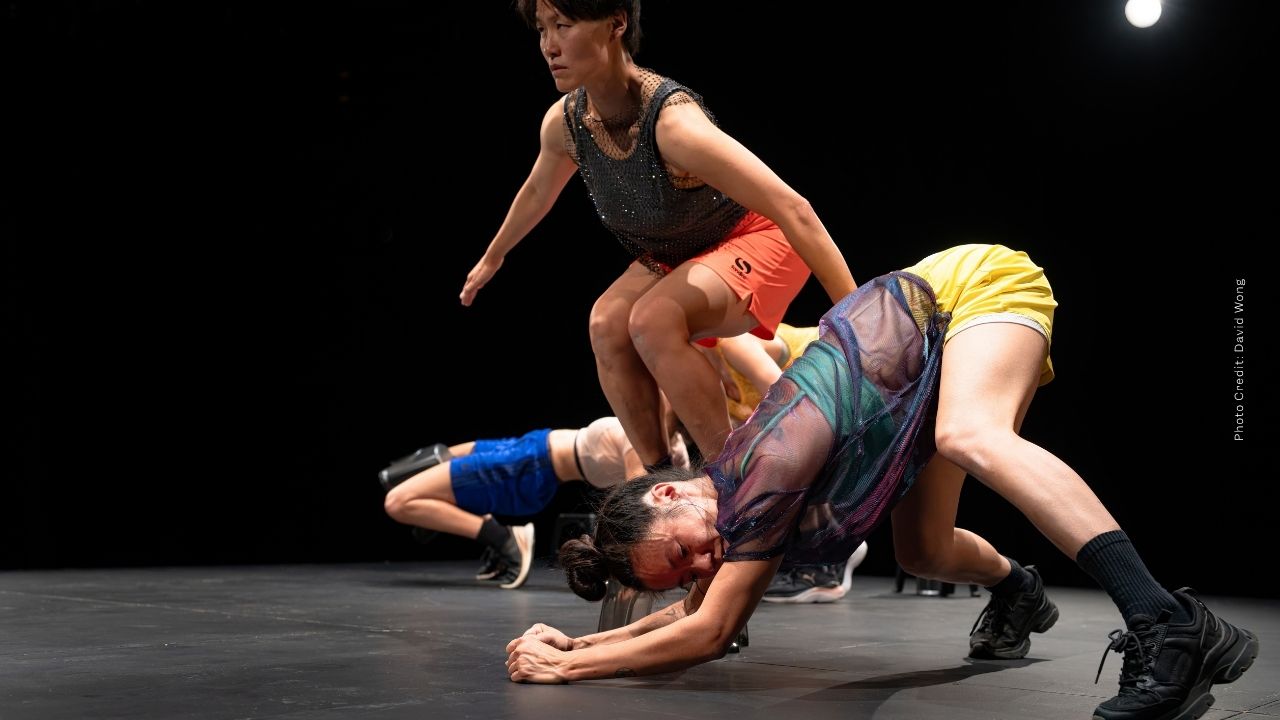
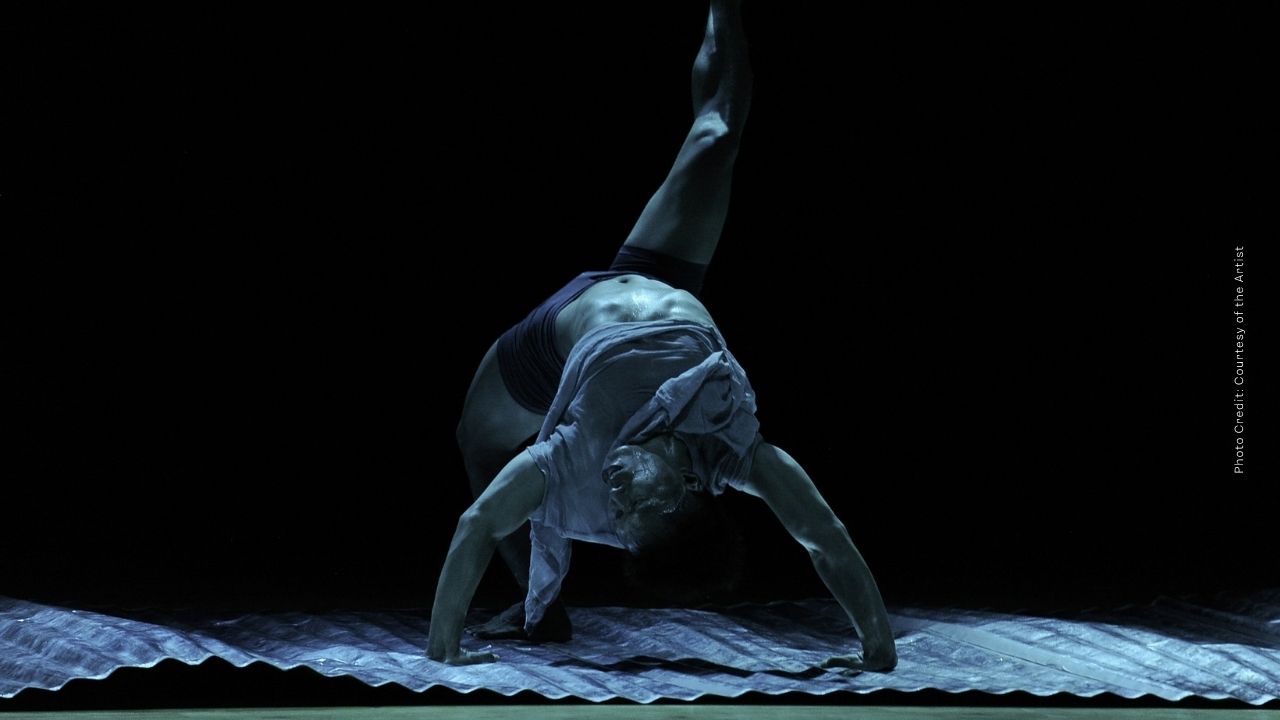
DANCE TALK

Discussions aimed to examine and contextualize current issues regarding the evolution of dance and choreographic practices, the experience of spectatorship, and dance discourse within the dynamics of the dance scene and broader socio-cultural contexts—both in Indonesia and globally.

Dance Talks 2026 hopes to further unpack the Underlying Drift curatorial framework by engaging speakers across various art forms, disciplines, and nations. These discussions are open to the public and accessible throughout the festival period.

LINK IN MOTION
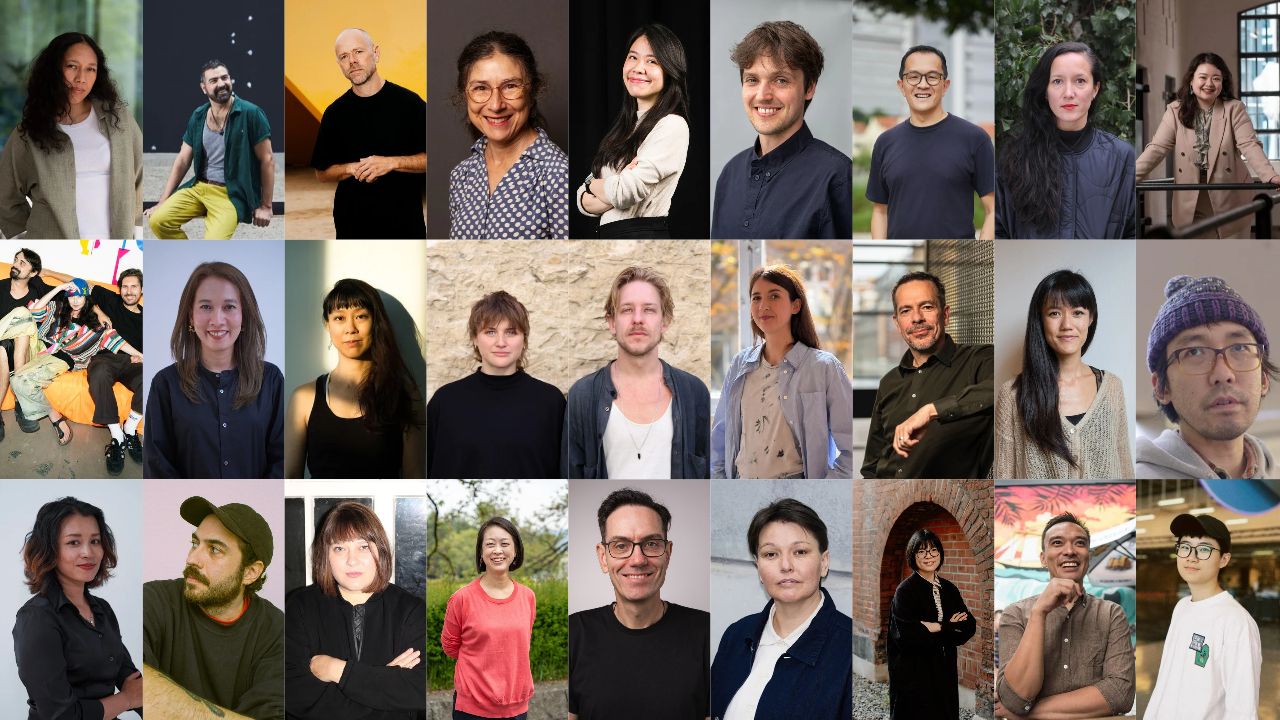
Simpul Gerak (Link in Motion) is IDF’s international networking programme, bringing together producers, curators, and performing arts practitioners from Indonesia with international colleagues who have experience, networks, and connections across different performing arts ecosystems. Through their participation in the festival programme and specially curated meetings, Simpul Gerak creates opportunities to learn about each other’s practices and working contexts, build strategic connections, and identify potential collaborations that can be developed further.
LIFETIME
ACHIEVEMENT
AWARD

  • IDF 2026

    Retno Maruti: Championing Freedom of Thought in Classical Dance

    Throughout her five-decade career, Retno Maruti has channeled her ideas as a woman who embraces freedom of thought. She also fosters a spirit of collectiveness in her dance studio, Padnecwara.