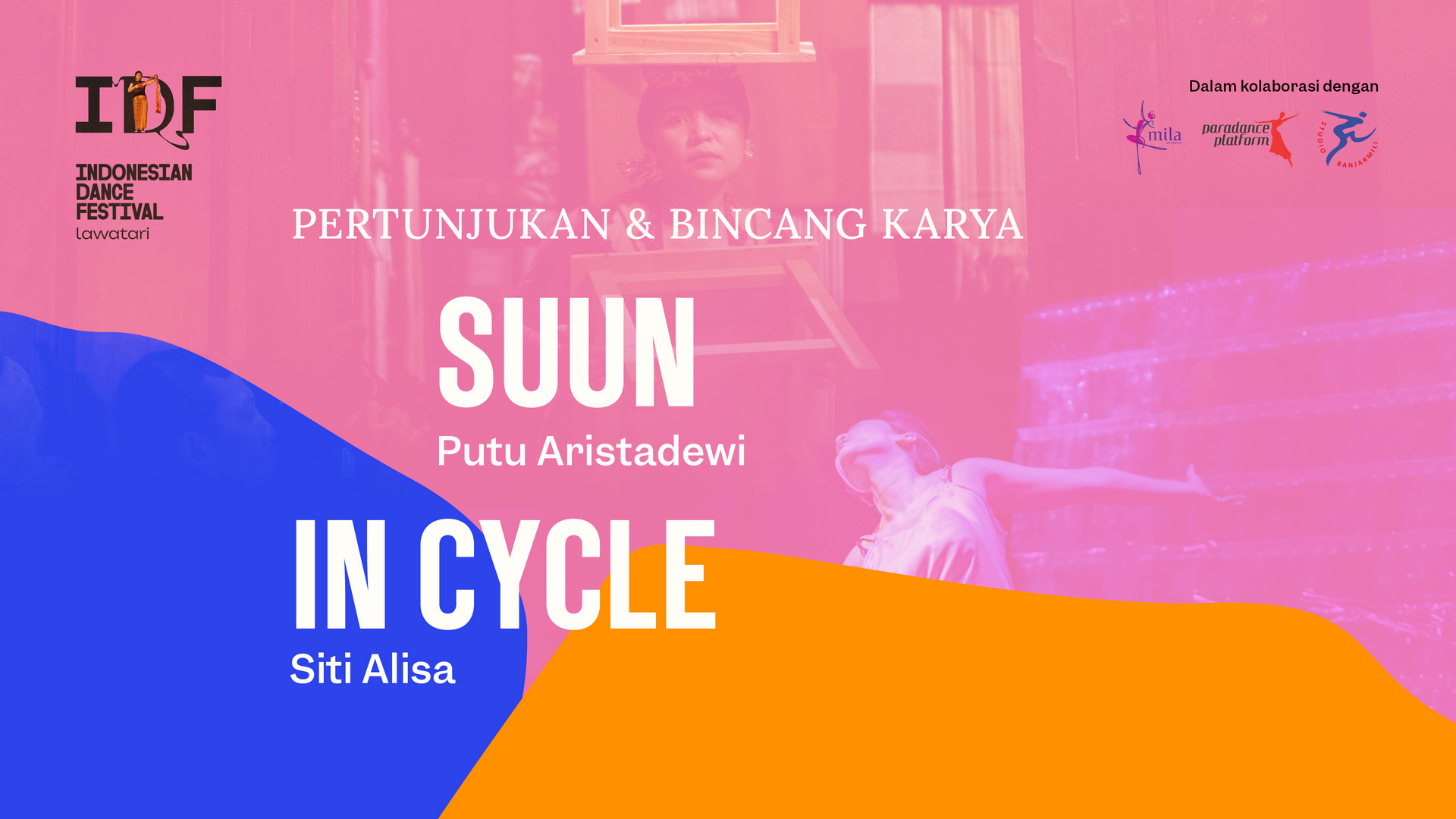
In Cycle
This work speaks about women's cycles, about the phases of life that must be passed through in the modern era within the shadow of moral values that are passed down from generation to generation.
This work speaks about women's cycles, about the phases of life that must be passed through in the modern era within the shadow of moral values that are passed down from generation to generation.
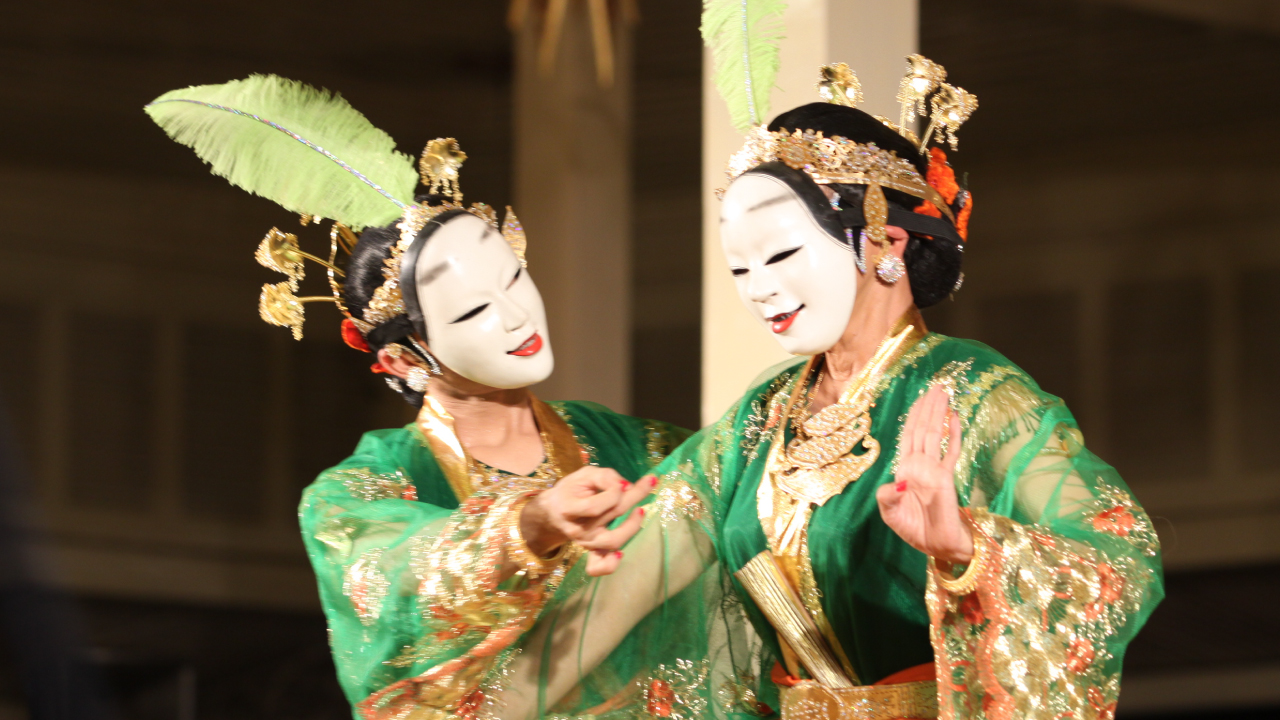
Bedhaya Hagoromo is a combination of two classical artforms: the Javanese Bedhaya dance and Japanese Noh dance-theatre. Formulation of the work was formed when Didik found a similar story in these two classical artforms, the story of Jaka Tarub.

In this workshop, we will use the style of Argentine tango as the main focus for exchange. In the dance style of Argentine tango, female dancers must center their weight on their male partners, who lead the spatial direction.

Dance maestro Didik Nini Thowok will share the basic body movements of Tari truno (Truno Dance), a folk tayub dance from Central Java created in 1983. The choreography of Tari Truno was created by Didik Nini Thowok for a film titled “Banteng Mataram: Ki Ageng Mangir” (1983)
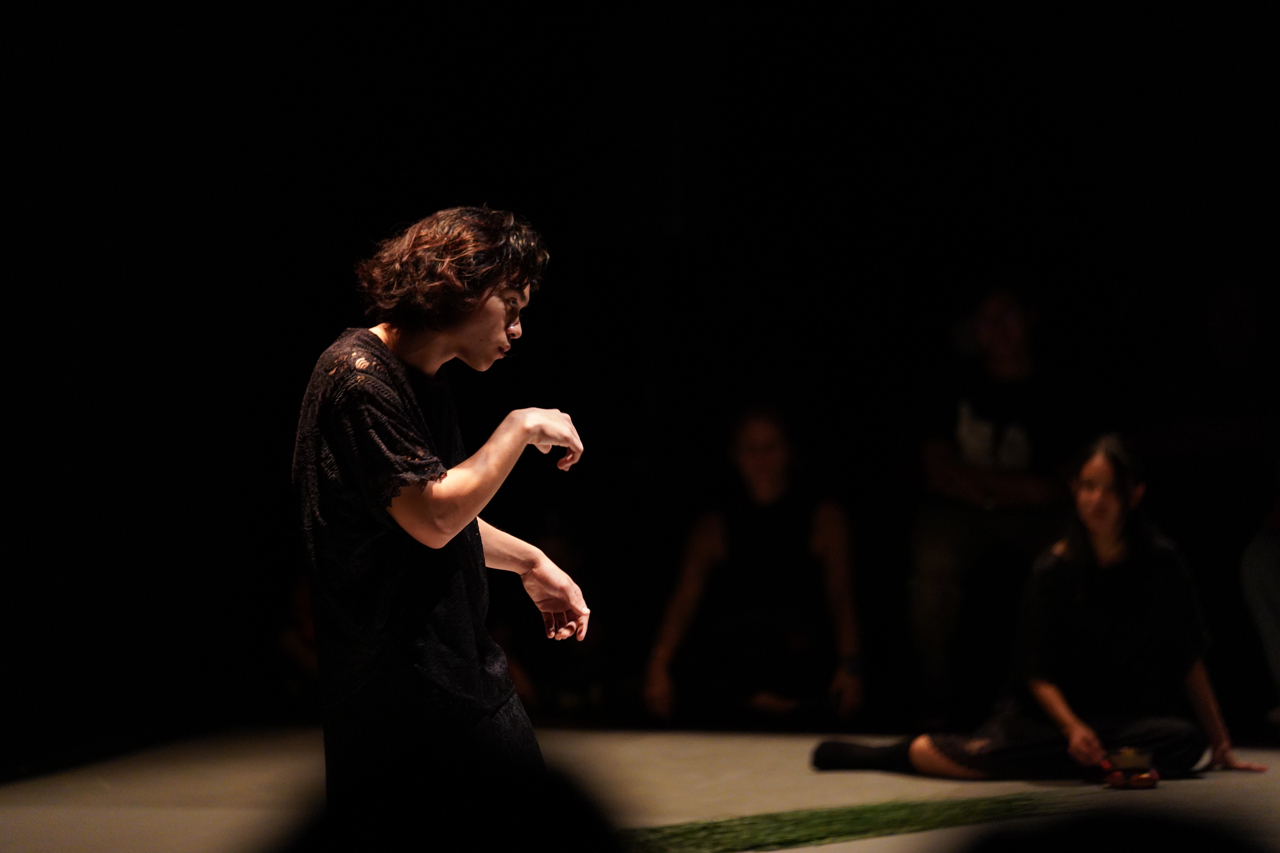
The title Ridden is translated as ‘ditunggangi’ in Indonesian and ‘憑依/Hyoui’ in Japanese. It is a word associated with spirits or ghosts–invisible but a felt present, when one returns from an unknown territory and their shoulders are ridden by a foreign energy/spirit.
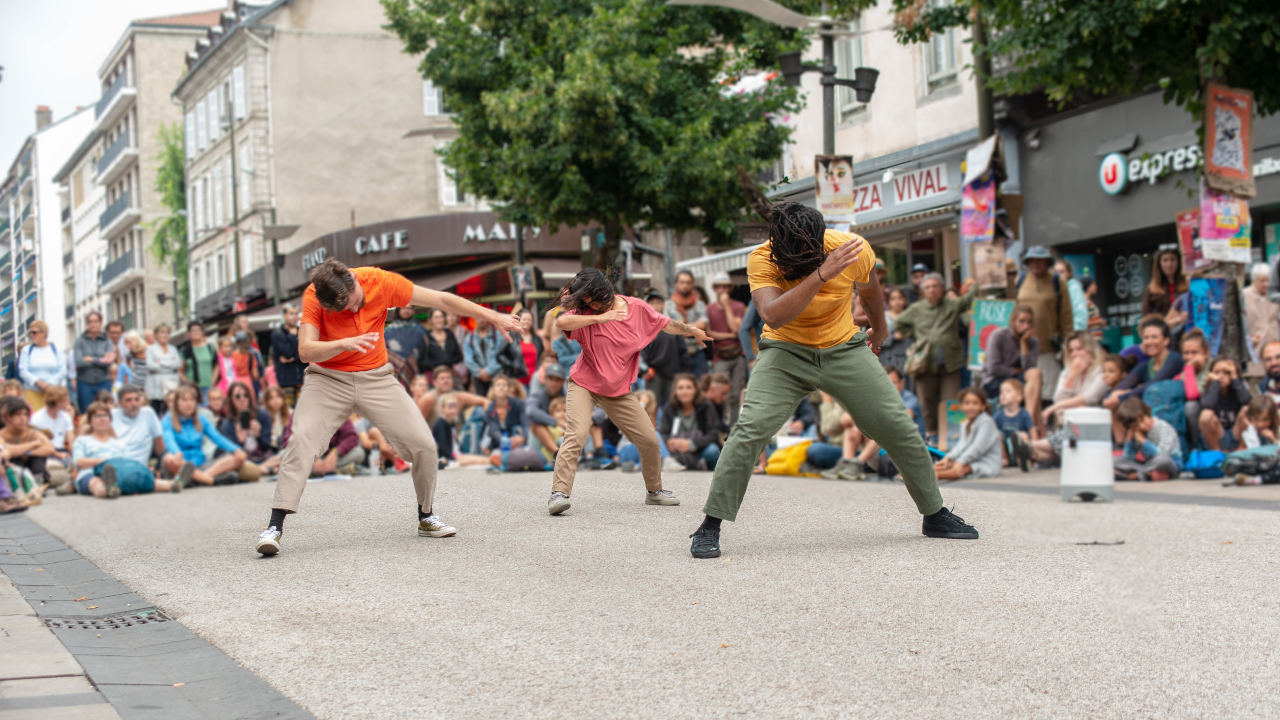
Created in 2020 in France, this 30-minute performance is designed to be performed in situ –recreated in each location by involving more local performances and showcasing their skills, within both hip-hop or contemporary movement vocabularies.

The workshop will introduce Marrugeku’s improvisational approaches to embodying social, cultural, personal and interspecies expression to develop new gestural dance and theatre.

In this masterclass, choreographer and dancer Leu Wijee, will share his newest discovery/movement research that he calls Powerstation/Arus. Participants are invited to understand how Leu Wijee organizes continuous movement-word-energy, work with scores, and the time-space continuum in the mind-body.
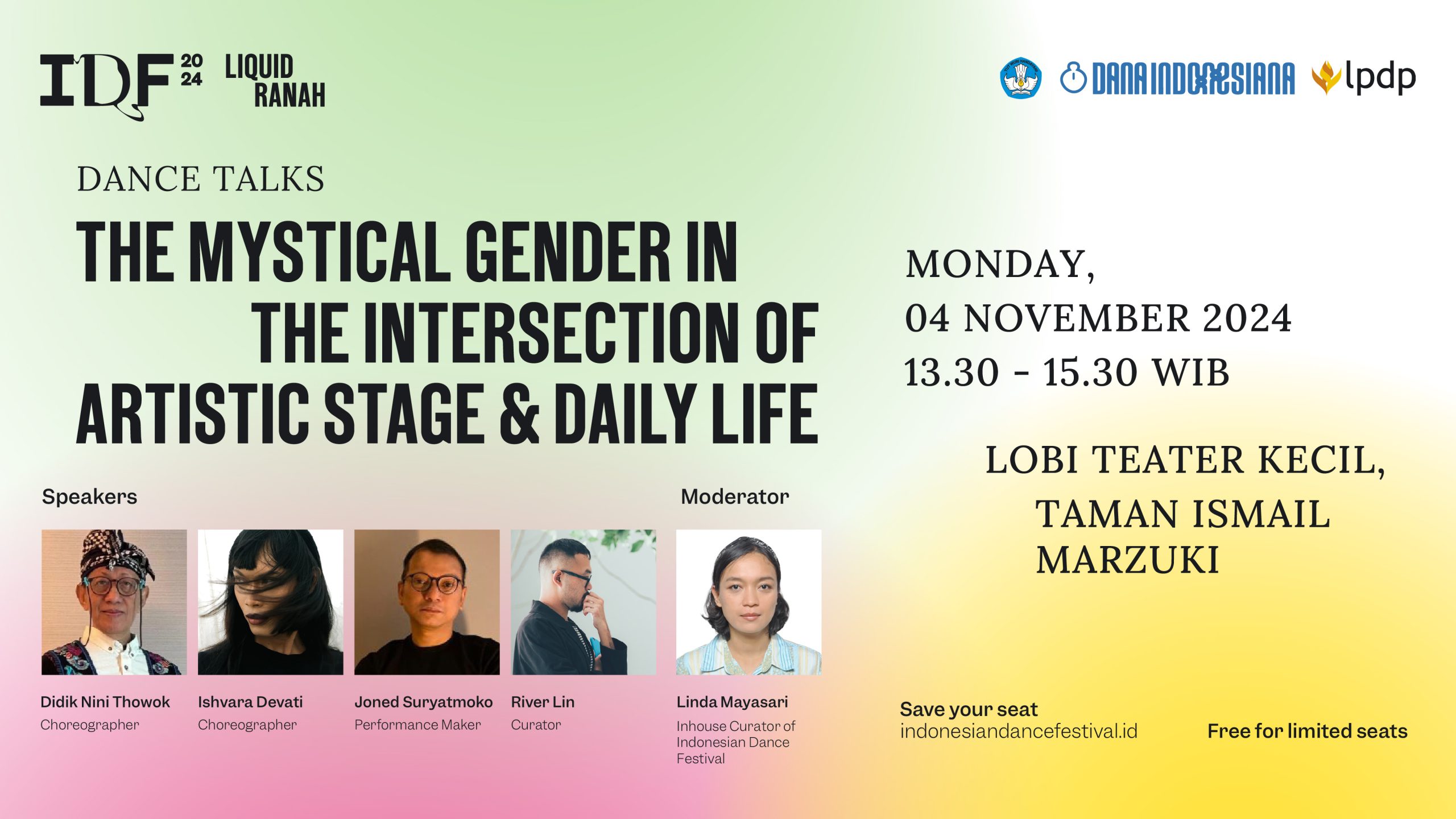
Dance works that display gender expressions outside the binary are often framed as forms of artistic expression related to issues of equality and human rights.

“The Singer” sutures theatre, vocal music, craft and movement. The work ruminates on the trans body as sanctuary of feminine predicament and queer remembrance, which, through stitch and song, metamorphose into the performer’s radical transfeminine storytelling premise: the woman who sews her pain is the same woman who sings her freedom.

In Iran, dancing has been officially prohibited since the start of the Islamic Revolution. All dance groups have been forced to cease their activities and many dancers and choreographers fled abroad. Those who remained have to be very resourceful in order to keep their art form alive.
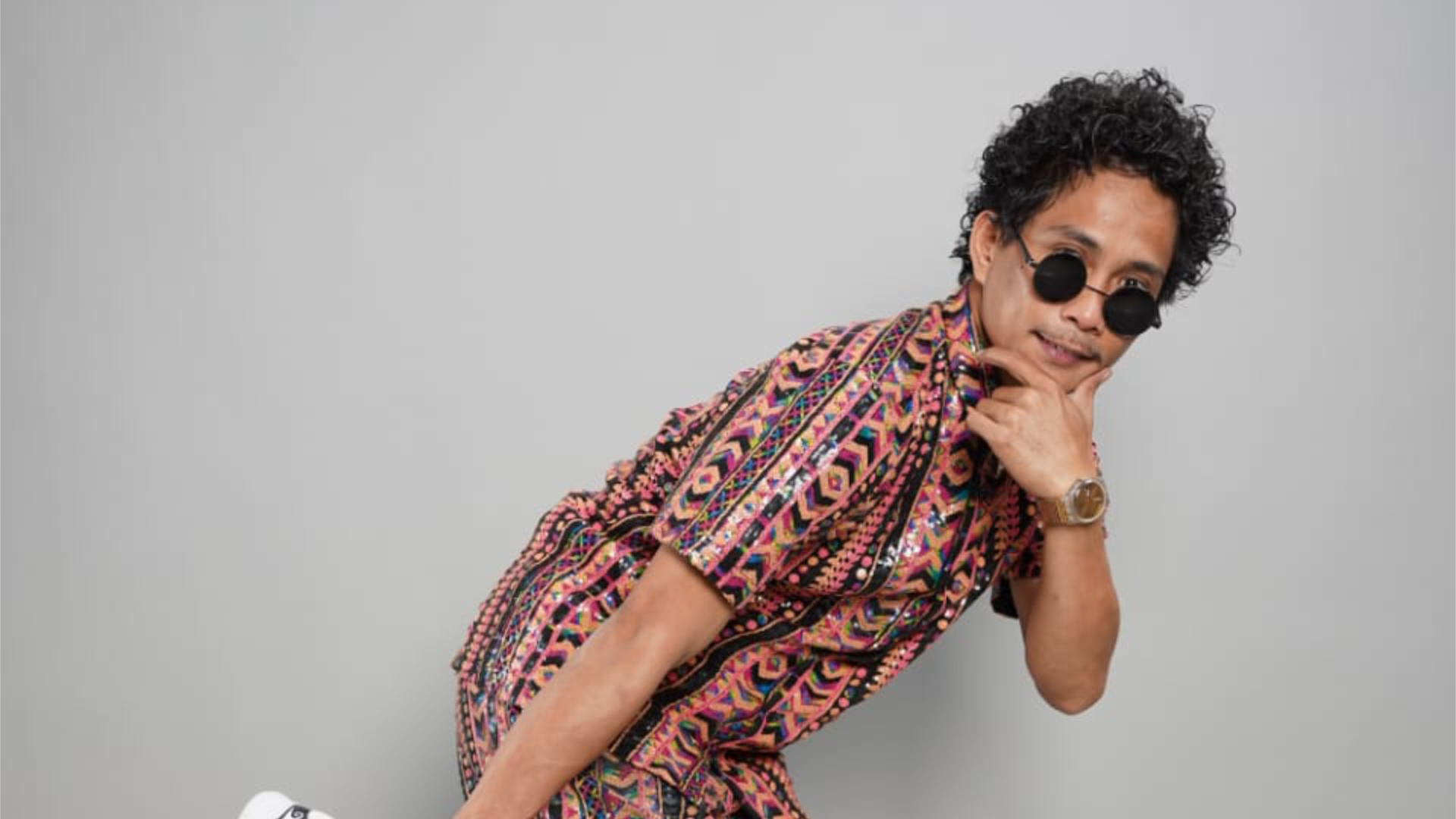
This workshop invites participants to learn a core principle of being a dancer: knowing your own body. Mastery of the body will make the anatomy of choreography more mature and ensure the body's readiness to receive various ideas, data, and intentions in the next stage of creating any work.
Indonesian Dance Festival © 2022. All Right Reserved.