• No. 60

    Taman Ismail Marzuki Jl. Cikini Raya No.73, RT.8/RW.2, Cikini, Kec. Menteng, Jakarta Pusat, Daerah Khusus Ibukota Jakarta, Indonesia

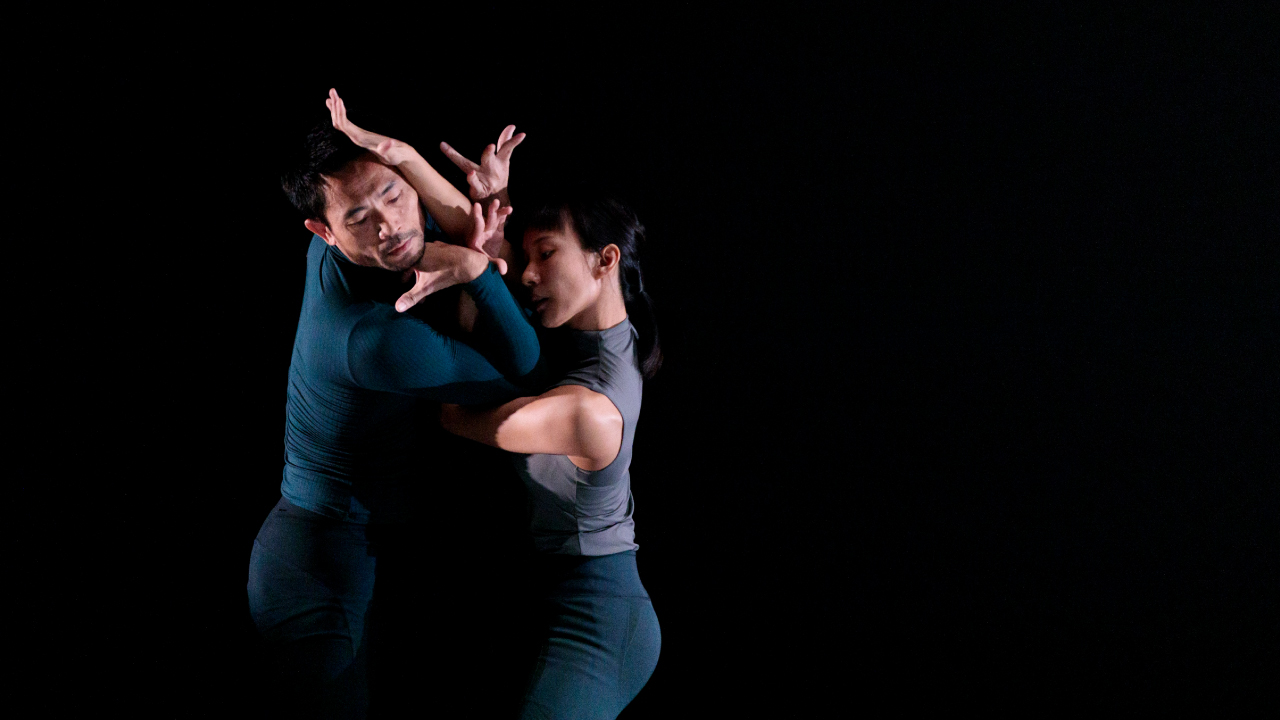
    “No. 60” is a treatise on Pichet Klunchun’s research over two decades on the language of Thai traditional Khon dance. Stripping the classical form of its face-mask and sequined costume, Pichet scrutinizes the 59 poses and movements in the Theppanom canon which all Thai classical dancers acquire by rote-learning.

  • IDF 2022 Closing Ceremony

    Taman Ismail Marzuki Jl. Cikini Raya No.73, RT.8/RW.2, Cikini, Kec. Menteng, Jakarta Pusat, Daerah Khusus Ibukota Jakarta, Indonesia

    IDF 2022 concludes its festival programs with a deep gratitude and appreciation towards all involved practitioners – on stage and behind the scenes. The 16th edition of South East Asia’s longest-running festival marks the regeneration of the festival team, from IDF co-founders who have now taken the roles in the Steering Committee, to the young working team led by Ratri Anindyajati as Director.

  • Arts Management: Assembling Space for Collective Growth

    Hoerijah Adam Performance Hall, ISI Padang Panjang Gedung Pertunjukan Hoerijah Adam, GCR3+WG7, Guguk Malintang, Padang Panjang Timur, Padang Panjang, Sumatera Barat, Indonesia

    This workshop offers insights into the design and management of dance platforms -both practically and conceptually- which IDF developed over 31 years as a starting point. In this workshop participants will be actively involved in mapping and analyzing various current art platforms, developing existing practices, and exploring the latest ideas.

  • SILO

    Hoerijah Adam Performance Hall, ISI Padang Panjang Gedung Pertunjukan Hoerijah Adam, GCR3+WG7, Guguk Malintang, Padang Panjang Timur, Padang Panjang, Sumatera Barat, Indonesia

    Ghulur sees “SILO” as a space to explore the body within the constraints of physical space. “SILO” as a choreography and ritual is an endeavour to reach the emotional and spiritual peak with a limited physical position where one is grounded to the earth.

  • Strategy of Sustainable Arts Strategy

    STAIRS by Seken Living STAIRS at Prawirotaman, Jl. Prawirotaman, Brontokusuman, Kec. Mergangsan, Yogyakarta, Daerah Istimewa Yogyakarta, Indonesia

    Looking at one's own context is critical to find strategies for working in the dance sector with a variety of choices. The three practitioners in the discussion come from three different contexts, perhaps intersecting with each other, but in continued process exploring best strategies when faced with diverse challenges.

  • Arts Management: Assembling Space for Collective Growth

    Studio Banjarmili Studio Banjarmili, Kradenan, Banyuraden, Gamping, Sleman Regency, Yogyakarta, Daerah Istimewa Yogyakarta, Indonesia

    This workshop offers insights into the design and management of dance platforms -both practically and conceptually- which IDF developed over 31 years as a starting point. In this workshop participants will be actively involved in mapping and analyzing various current art platforms, developing existing practices, and exploring the latest ideas.

  • Atandâng

    Studio Banjarmili Studio Banjarmili, Kradenan, Banyuraden, Gamping, Sleman Regency, Yogyakarta, Daerah Istimewa Yogyakarta, Indonesia

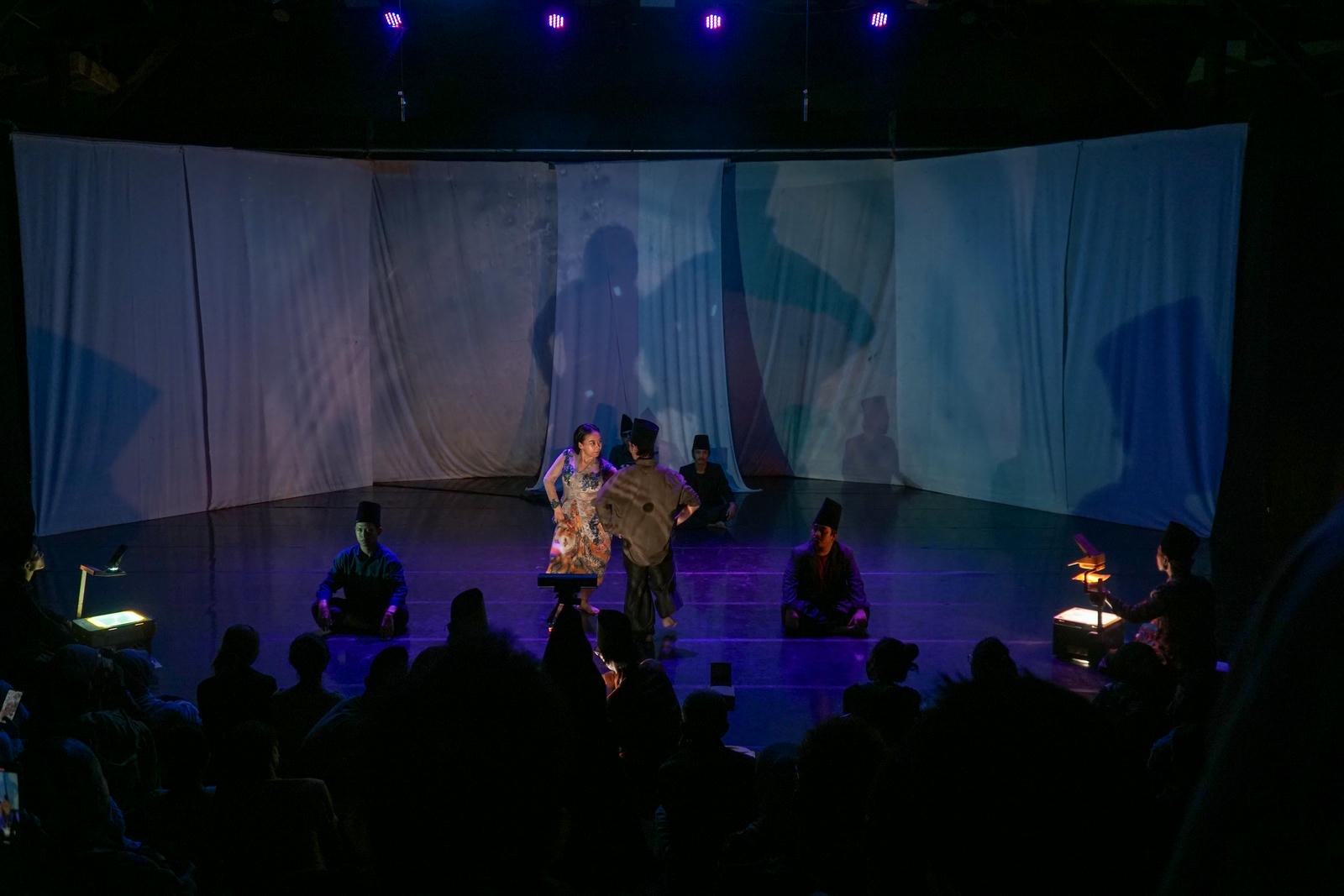
    Atandâng is a dance piece that departs from Sri Cicik Handayani's exploration of the relationship between the penayub and the tandâ woman. Penayub is a male dancer and Tandâ is a female dancer in the Madurese Tayub traditional social dance.

  • Budi Bermain Boal

    Studio Banjarmili Studio Banjarmili, Kradenan, Banyuraden, Gamping, Sleman Regency, Yogyakarta, Daerah Istimewa Yogyakarta, Indonesia

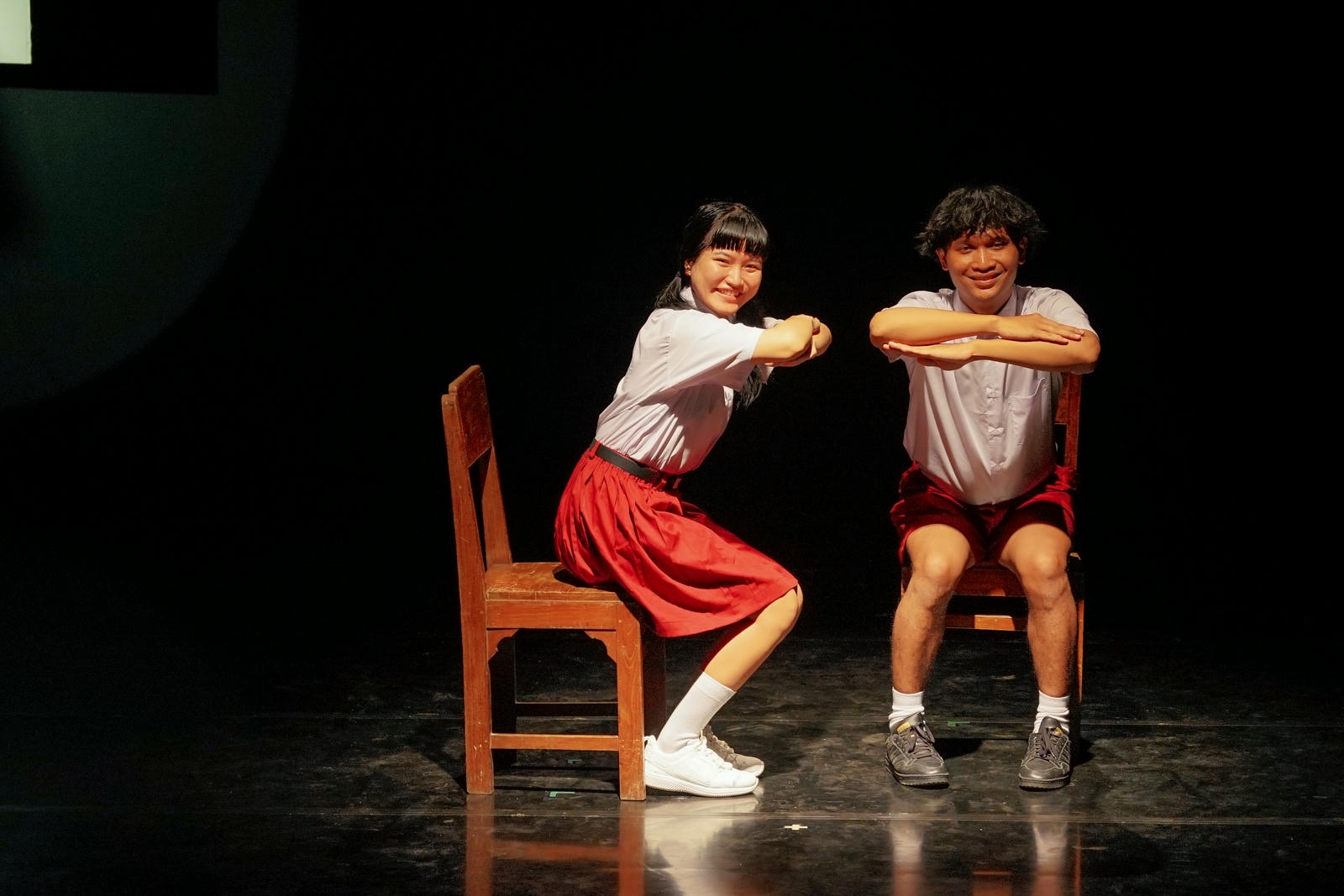
    This work reflects various experiences lived by Megatruh and elementary school students in the 1980-2000s era in various regions of Indonesia. The name "Budi" is deeply embedded in the memories of students in that era because it is included in the Indonesian language lesson book "Ini Budi", distributed and used in schools throughout the country, and the name became a term that was created and standardised to describe the ‘good student’ model in the eyes of the teacher.

  • Ganda

    Studio Banjarmili Studio Banjarmili, Kradenan, Banyuraden, Gamping, Sleman Regency, Yogyakarta, Daerah Istimewa Yogyakarta, Indonesia

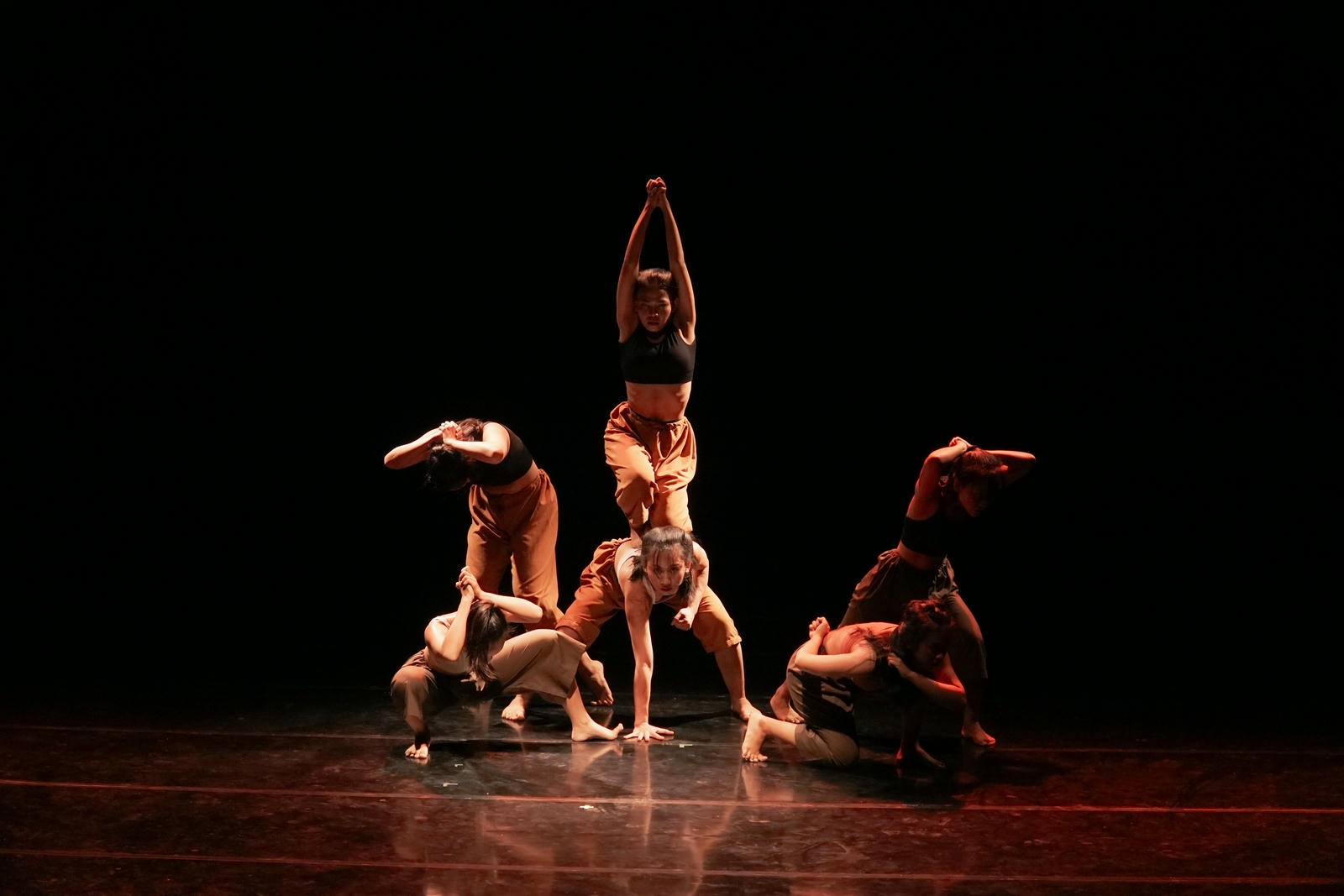
    Ganda is a dance piece that depicts the emotional and physical journey of women ‘carrying’ labourers who work at the Beringharjo Market, Yogyakarta. This dance tells the story of their dual roles in an intriguing choreography, creating harmony between their graceful movements and the physical burdens they carry every day.

  • Methods of Martinus Miroto

    Studio Banjarmili Studio Banjarmili, Kradenan, Banyuraden, Gamping, Sleman Regency, Yogyakarta, Daerah Istimewa Yogyakarta, Indonesia

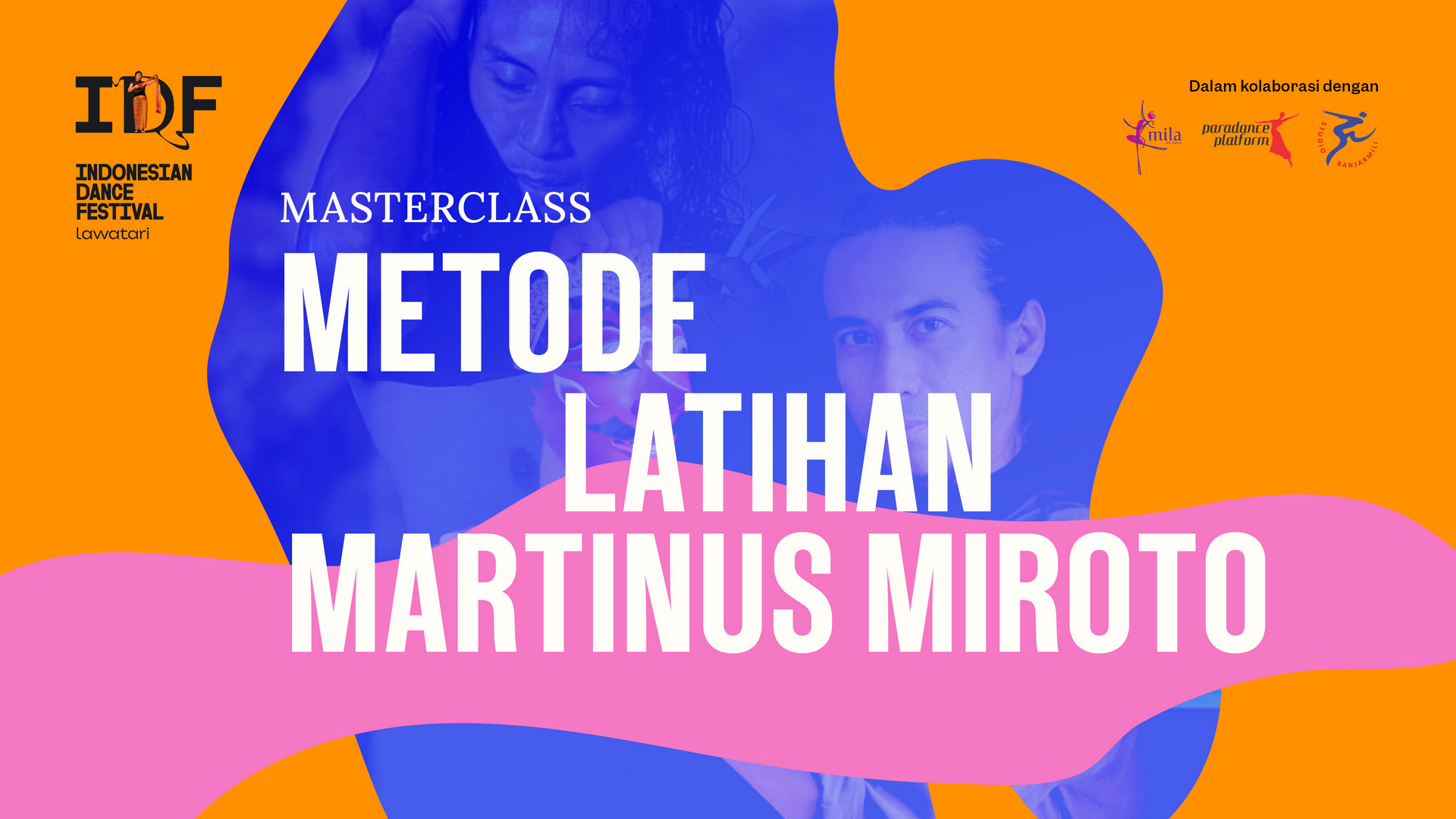
    Looking briefly at the long history of Miroto's journey in the world of dance, indeed we can imagine that it cannot be disassociated with two aspects, training discipline and thought processes. He then applied both of them not only to himself, but to the dancers involved in his works.

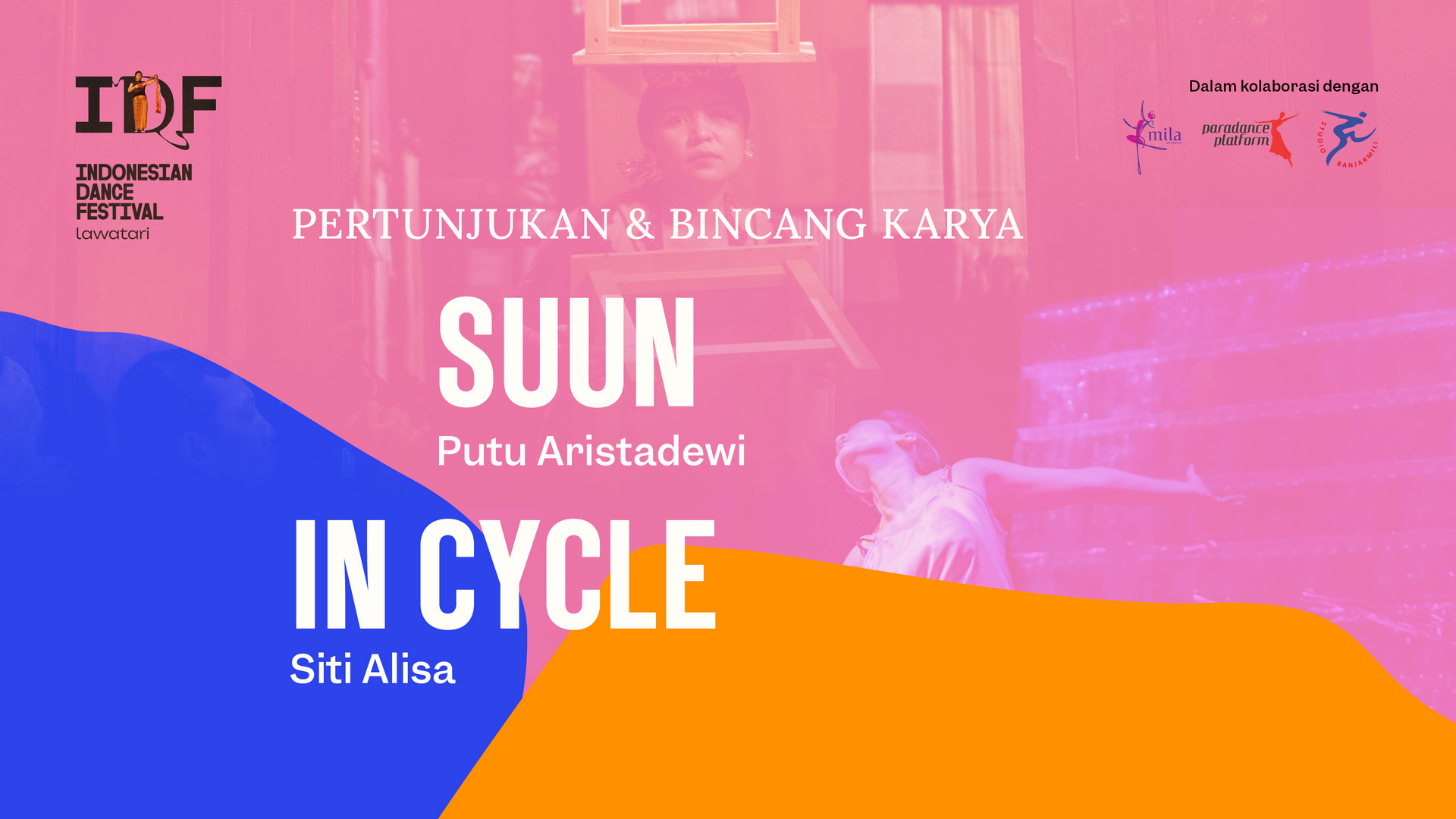
  • Suun

    Studio Banjarmili Studio Banjarmili, Kradenan, Banyuraden, Gamping, Sleman Regency, Yogyakarta, Daerah Istimewa Yogyakarta, Indonesia

    Suun departs from the discoveries obtained when observing the activity of suun as a daily practice of the body. Suun is a technique of carrying items by placing them on the head. When performing suun, there is a connection between the body, objects and space - how objects placed above the head affect the body's movement space.

  • In Cycle

    Studio Banjarmili Studio Banjarmili, Kradenan, Banyuraden, Gamping, Sleman Regency, Yogyakarta, Daerah Istimewa Yogyakarta, Indonesia

    This work speaks about women's cycles, about the phases of life that must be passed through in the modern era within the shadow of moral values that are passed down from generation to generation.